Tags
British Bryological Assosiation, Bryum, Catbrook wood, Mosses and Liverworts in Monmouthshire, Ninewells Wood, Wye valley
If you are at all interested in mosses and liverworts then do have a look at their web site (click on British Bryological Association above) and especially their photos, here is one I have copied from them to show just how stunning they can be.
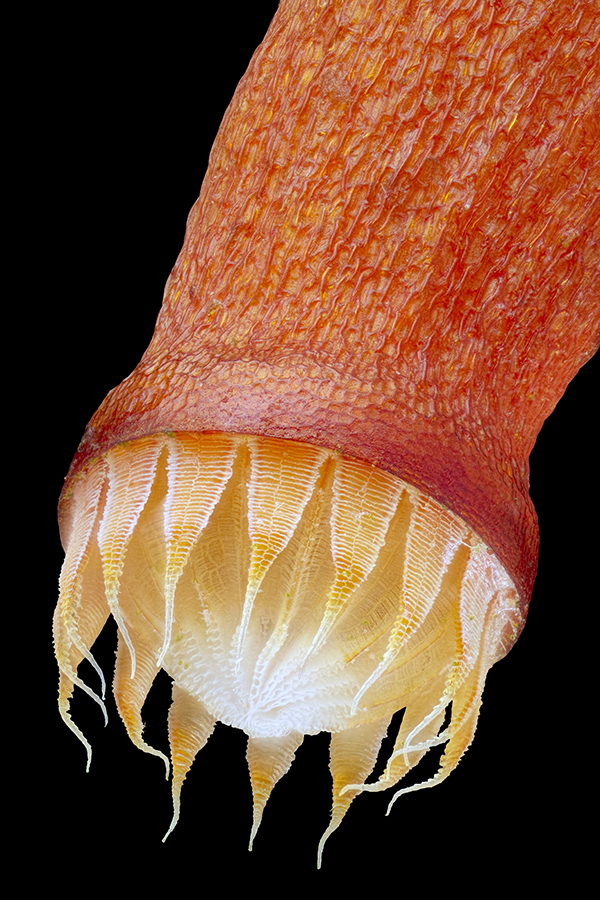
Bryum capsule
This is the information I received.
I have explored Cleddon Bog and some of the wet woodland around it over the last 10 years, but have never visited Catbrook Wood as far as I can tell (I’m guessing where it is on the map from your earlier blog entries). There’s a good chance you’ll have some interesting mosses and liverworts on your land, especially if there are any bouldery areas or ancient puddingstone/conglomerate walls. In January 2002 I recorded 44 bryophyte species in “Ninewells Wood” with the most interesting species (* in list below) in an area of boulders and drystone walls around SO506036. Several calcicoles were noted on a surfaced forestry track. The list was:
Aneura pinguis, Atrichum undulatum, Barbilophozia attenuata*, Bazzania trilobata*, Brachythecium rutabulum, Bryum pseudotriquetrum s.l., Calliergonella cuspidata, Campylopus flexuosus, Cephalozia lunulifolia*, Cratoneuron filicinum, Dicranella heteromalla, Dicranella varia, Dicranoweisia cirrata, Dicranum majus*, Dicranum scoparium, Didymodon fallax, Didymodon insulanus, Diplophyllum albicans, Eurhynchium praelongum, Hypnum andoi, Hypnum jutlandicum, Isothecium myosuroides var. myosuroides, Jungermannia atrovirens, Leiocolea turbinata, Lepidozia reptans*, Lophocolea bidentata, Lophocolea heterophylla, Mnium hornum, Orthodontium lineare, Pellia endiviifolia, Pellia epiphylla, Plagiothecium curvifolium, Plagiothecium succulentum, Plagiothecium undulatum*, Pleurozium schreberi*, Pogonatum aloides, Pohlia wahlenbergii var. wahlenbergii, Polytrichum formosum, Pseudotaxiphyllum elegans, Racomitrium fasciculare*, Riccardia chamedryfolia, Scleropodium purum, Tetraphis pellucida, Thuidium tamariscinum.
I hope that will give you an idea of a few other species to look out for on your patch.
The ones that are underlined are ones I have seen….some way to go yet before I see even the majority of them.


