Tags
Alexander Schwab, edible fungi, Fungi in Ninewells wood, Merlin Unwin, Mushrooming without fear, Ninewells Wood
I have been keeping an eye out for the appearance of fungi at Ninewells wood but up until two weeks ago virtually nothing, probably done to the really hot dry weather. I usually see Earth balls at the onset of the fungi season, but even these were absent.
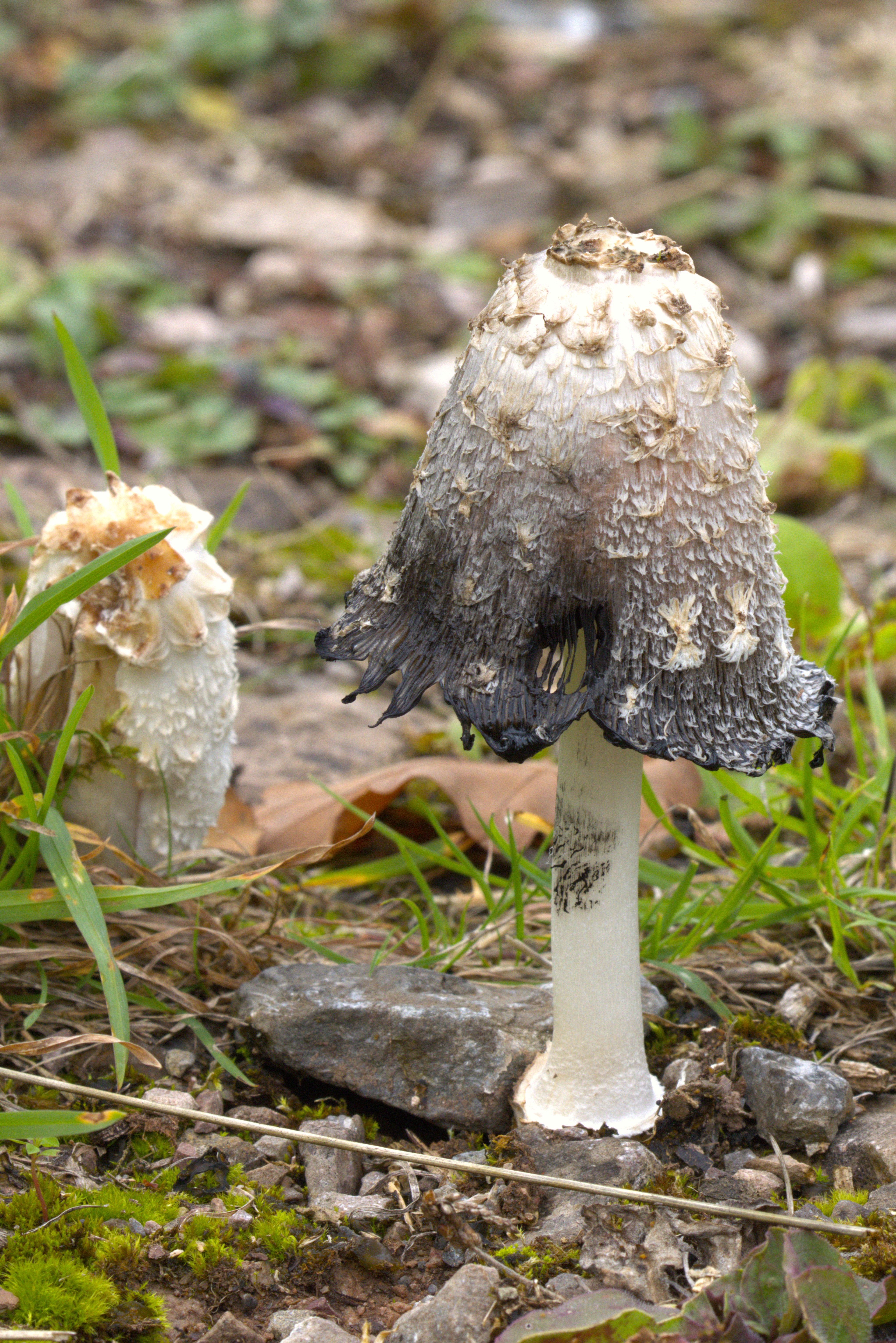
Ink Cap
Now I am back from a couple of weeks in France and on my first visit yesterday ( 03/10/2022 ) the woods are full of toadstools. I was greeted by some Ink Caps, these normally grow in the entrance area and there was one that had gone over and was quite inky. I parked up carefully so as not to crush several others which were just pushing up and were white and thus edible. I collected about half of them and left the rest to do their thing and produce more Ink caps for the future.
Close to the parking area is a region I have opened up quite a bit but left a few Silver Birches to develop. Here there is quite a bit of bare ground and so the fungi are easy to spot. The were a lot of Brown Roll rims here and these are quite poisonous so I just photographed a couple and left well alone. There was also two of the Amanita species, this genus contains several deadly fungi and also a couple which are edible including the Caesar’s Mushroom which is very good to eat and I have once eat it when it was on the menu in a restaurant in Andalucia. However I would not eat any species in the genus Amanita that I have found myself as it is just too risky. Growing in Ninewells close to the parking area was one called the Blusher Amanita rubescens, this is said to be poisonous when raw and OK when cooked. I simply photographed it, also close by were some Amanita citrina, sometimes called the Flase Death Cap or Lemon cap, again only photos. (Cursor over the photos for names)


What I did also find were some Boletus species, unfortunately not the Cep or Penny bun which is delicious and easy to identify or the Bay Bolete which is also very good and easy to ID. What I found were lots of Birch Boletes. These have been placed in a separate genus Leccinium but they are still of the Boletus type with a sponge like material under the cap where the spores develop. There are several species of Birch Bolete and all are edible and sometimes referred to as ‘edible but poor’. I find them OK, best when young and firm., as they mature they become a bit soft and spongy, dont we all? So I picked a few of the young ones, they still cook up a bit on the slimy side but have a good flavour.


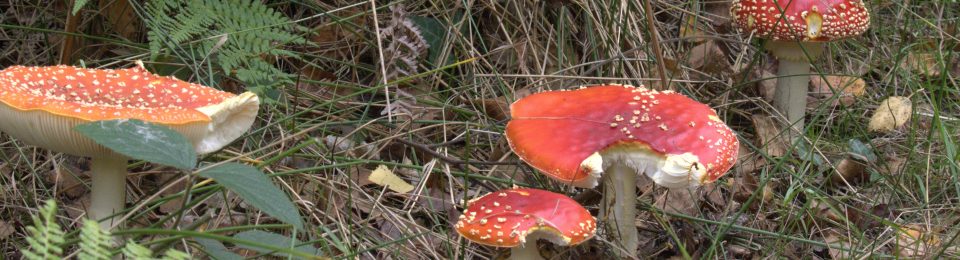
I found one big patch of Fly Agarics and some were in really good shape, beautiful but again poisonous and hallucinogenic but be careful sometimes hallucinogenic and then deadly I have never been tempted.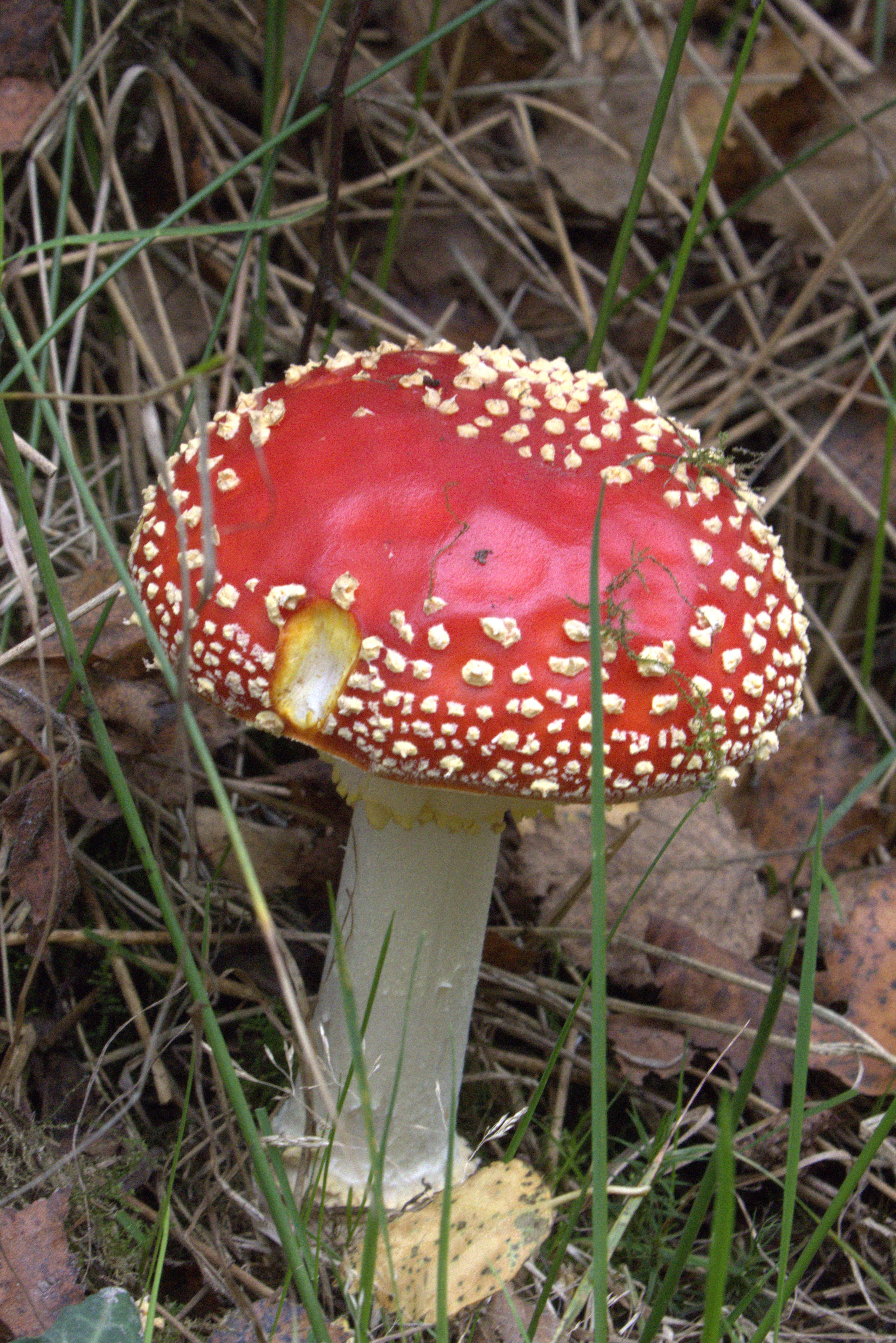
There were a few others about some I knew some I recognised but have never 100% identified and there was one new one that was quite small and had a peculiar stripy stem.


If you are interested in collecting fungi with the intention of eating them then there is a book published by Merlin Unwin who do lots of good countryside books and it is called Mushrooming Without Fear.
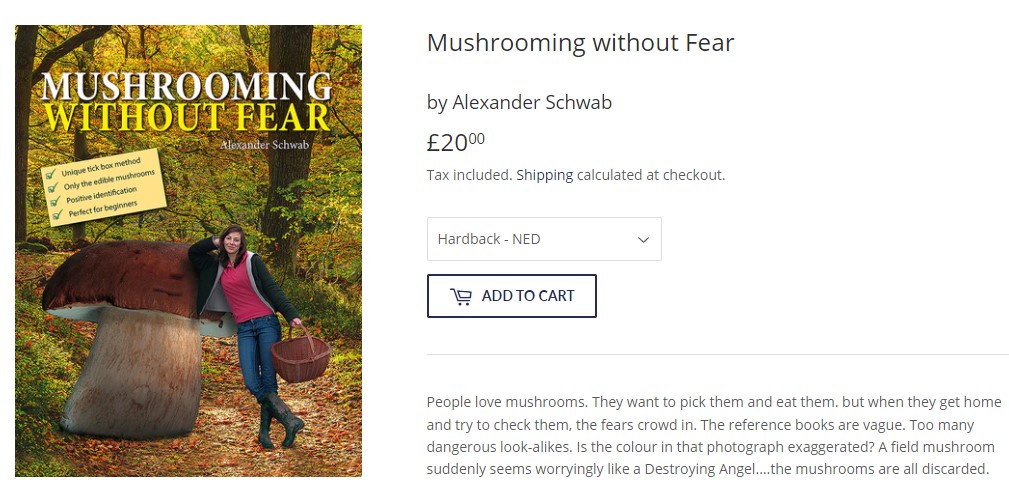
You could check it out.


A lovely collection. The red agaric is my favourite, it is fairytale pretty. The mushroom season is late this year over here. The warmth is there but we still have not had enough rain. Amelia