Tags
Ancient Woodland, boletus, edible fungi, Hobby, Ninewells Wood, penny bun, Porcini, sparrow hawk
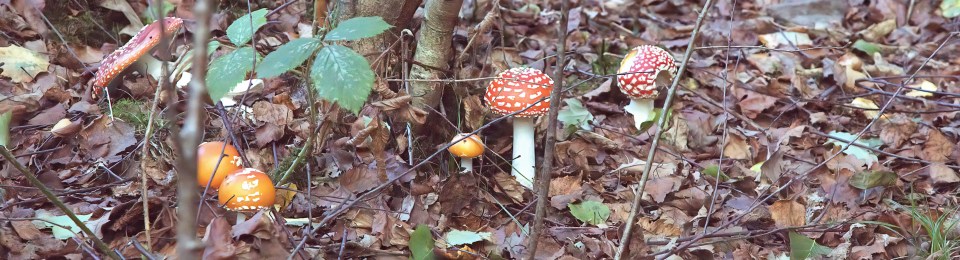
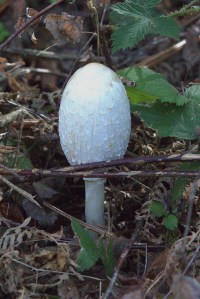
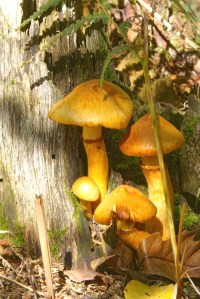
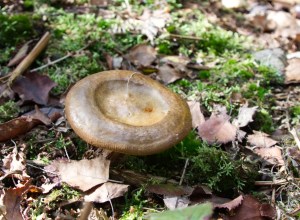
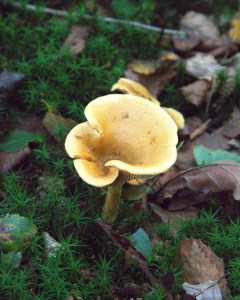
Fungi, fungi, fungi. The rain in early September has bought them all out in profusion. The commonest by far throughout the woods is the Brown Roll Rim, Paxillus. This is reputed to be quite poisonous which is a shame as there really are stacks of them. There are a lot of yellowy orange jobs but I think they are of three species, the False Chanterelle, which is also not edible, the Sulphur Cap and the Honey fungus. When we first bought the wood back in 2013 there were masses of Honey fungus and we were quite worried as they kill the trees, but as it turned out all the Pines were going to be felled anyway and it has not noticeably affected the deciduous trees and now it is quite rare, I have only seen one small group of them this year. We also get a few Ink caps near the entrance every year.
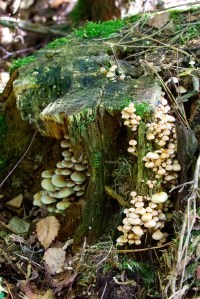
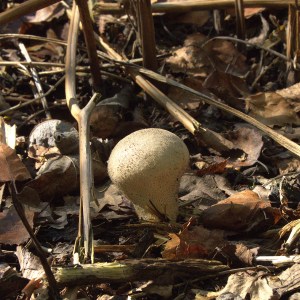
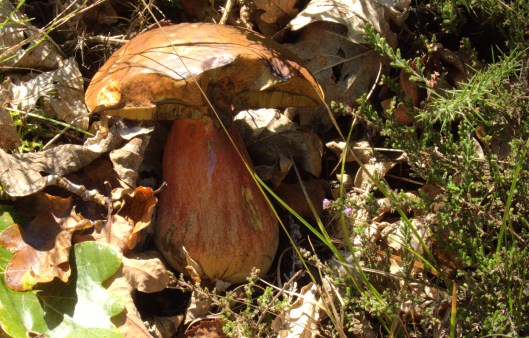
Also there have been several Boletus fungi, now most of these are edible and they are fairly easy to identify, as they have sponge like pores underneath and not gills as most fungi do. However there are a few dodgy ones and some of these have red or reddish stems so best to avoid all with any hint of rouge on the stem.
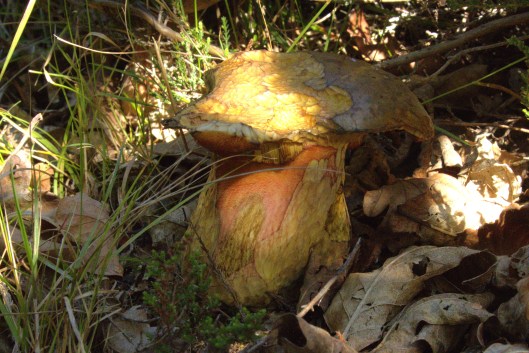
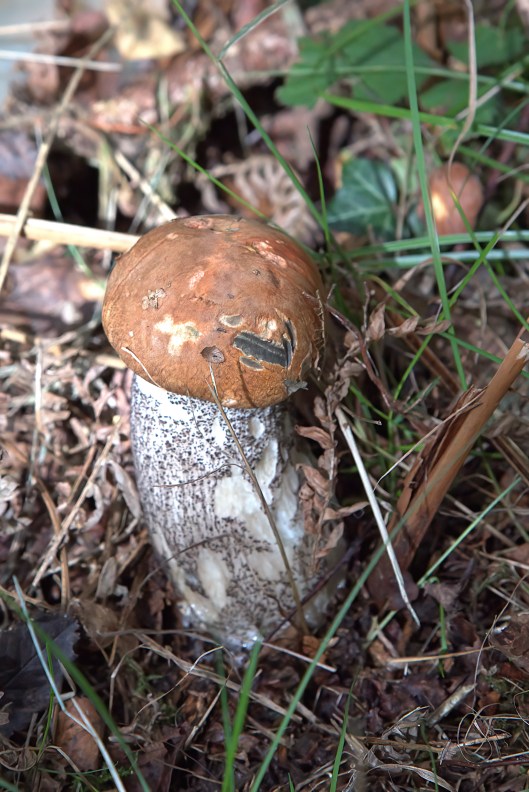
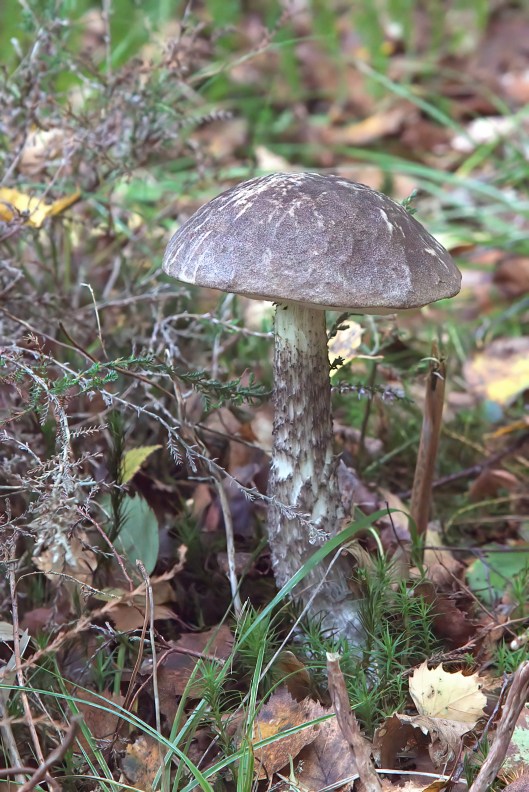
Below are two similar Boleti, they have various common names but both are in the genus Leccinum. the grey one is called scabrum and I think that refers to the grey scabby nature of the stem, the other one with the orange cap also has the grey scabby stem but is called testaceo-scabrum. Hmmm. Both are edible.
I did collect a few Boletus edulis, Boletus badius and Lecinnium sp. These are all edible and very good when dried out and preserved for use in the winter. Added to stews and casseroles they impart a wonderful taste, quite like truffles and of course to buy a small jar of dried Porcini costs a fortune. £35 for 500grams! 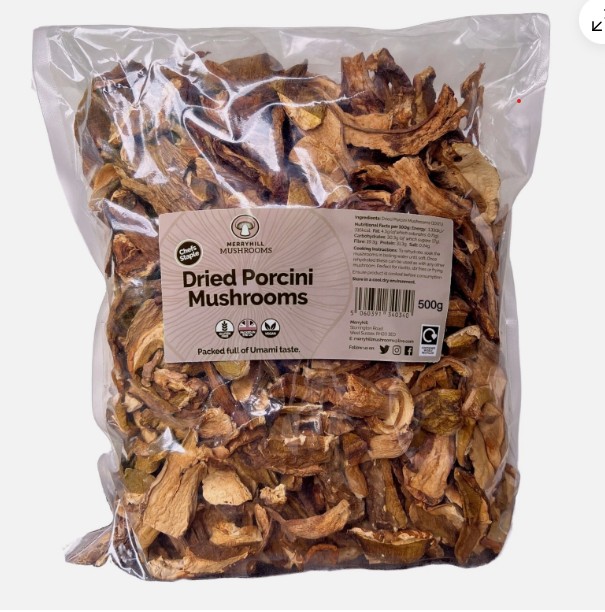
Friday I spent some time in the hide, several Buzzards visited including Halfeye, A red kite was around briefly swooping in and out and at one stage when a Buzzard flew in the Kite dived in on it but then it went off and did not come back. The most notable event was a smallish bird of prey dashing about through the trees, very fast and very agile. It was grey but that was about all i could make out. It did land in the trees a couple of times but out of view so no photos. It made three flights and then no more. Most likely a male Sparrowhawk, but it was quite small so possibly even a Hobby. They are in the area because Cleddon Bog neighbours the woods and that is a rich source of dragon flies and the dragon flies often zap about in the wood.

